
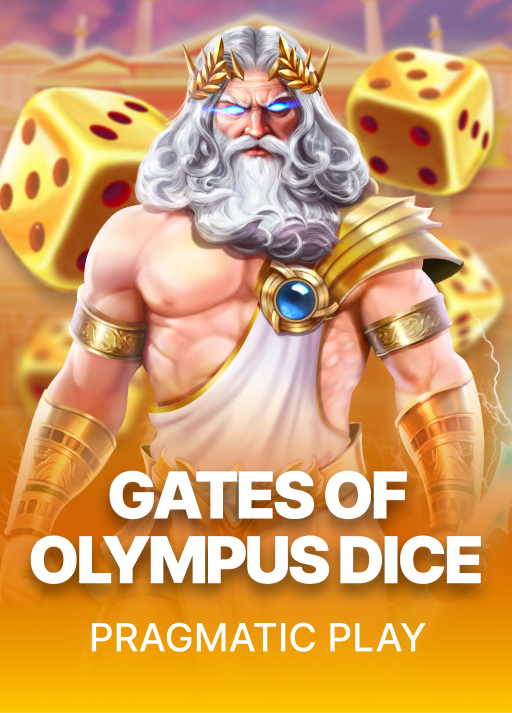
view the site draws all of its character from Greek mythology, and the theme drives every mechanical choice in the game. The reels sit inside a temple surrounded by marble columns and floating clouds, while Zeus himself shows up as the central figure who can multiply wins during any spin. This setting is not merely decorative; the symbols, sound cues, and win animations all reinforce the idea that divine intervention can shift the outcome at any moment. Players who recognize how the mythological layer connects to the actual mechanics will spot opportunities faster than those who treat the visuals as background noise. The temple backdrop also changes lighting during big wins, shifting from daylight to a golden dusk that signals a multiplier chain is about to settle.
Reels and Rows, Rows and Methods to Win
The format uses a six-reel five-row grid that rewards through a scatter-pay system instead of fixed lines. Any eight or more matching symbols in any position on the screen produce a win, and the symbols then burst to let new ones drop into place. This tumble mechanic recurs until no new combinations emerge, which means a single paid spin can yield several consecutive wins. Because every symbol position matters, the total number of ways to win reaches well above 100 000 combinations on every spin. Players should monitor the cluster size carefully; eight low-paying coins may give back less than five high-paying helmets, so symbol value counts as much as quantity. When a tumble chain achieves four consecutive drops, the screen briefly magnifies to highlight the growing multiplier trail, giving players an instant visual cue that the payout is rising.
The absence of traditional paylines also changes how we evaluate near-misses. A cluster of seven matching symbols appears close to a win, yet the game handles it as a complete miss. Understanding this distinction prevents the common mistake of reading momentum into a result that the math does not back. Over longer sessions the scatter-pay model has a tendency to produce more frequent but smaller clusters in the base game, while the larger payouts occur when multipliers land inside those clusters. Keeping a mental note of how often eight-symbol groups emerge helps us judge whether the current reel rhythm is running hot or cold.
Audio Design and Visual Cues
Audio signals are connected directly to machine actions. A low chime sounds when gems form a cluster, while a deeper percussion hit signals a helm or ring win. When Zeus fires a bolt, the screen shades for a fraction of a second and a thunder crack verifies the multiplier placement. These cues help seasoned players take in information without always checking the win counter. The identical audio layer also signals the transition into free spins with a longer orchestral swell, allowing anyone using headphones to identify the round change though they briefly look away from the screen. The tone of the chime increases slightly with each consecutive tumble, giving an sound-based sense of how many drops have already taken place in the present sequence.
Visual feedback supplements the audio through color flashes that align with the symbol tier. Lower-tier gem wins produce a short white flash, while higher-tier wins trigger a gold flash that lingers for a half-second. When a multiplier over fifty times is activated, the entire grid receives a subtle blue tint that dissolves only after the payout is credited. These layered cues create a coherent language that minimizes the need to scan numbers during fast play. Over time the mix of sound pitch and colour intensity becomes an nearly automatic signal of whether the current tumble is worth observing until the end.
Payout Ceilings and Cap Behaviour

The game enforces a maximum payout cap of five thousand times the stake in a single spin sequence. Once the accumulated total reaches this ceiling, further tumbles continue only for entertainment, and any excess is discarded. Reaching the cap necessitates a combination of high-value clusters and stacked multipliers above two hundred times. While the theoretical top win stays rare, the presence of the cap affects strategy: players who spot multipliers already exceeding one hundred times may opt to raise the stake for the remaining spins in order to convert the same reel outcome into a larger absolute payout before the cap is https://www.skysports.com/football/news/11095/12630601/pfa-players-player-of-the-year-liverpools-mohamed-salah-and-chelseas-sam-kerr-win-2022-awards hit. The cap refreshes on the next paid spin, so the decision to increase the bet must be made while the current sequence is still live.
Because the cap is implemented after all multipliers have been computed, a tumble chain that would have reached six thousand times is simply cut off. This truncation can seem abrupt if the screen continues to animate wins that no longer add to the balance. Watching the win counter closely once it passes three thousand times helps us foresee whether the next drop will push the total over the limit. If the counter is already climbing rapidly, holding the current stake avoids the disappointment of unpaid spins, while a modest increase can capture more of the sequence before the ceiling is reached.
Bonus Spin Feature Round System
Landing four or more scatter symbols, depicted by the temple gates, grants ten first free spins. During the round every multiplier bolt that lands receives an extra life and stays on the grid for the duration of the feature. If a bolt hits five hundred times it continues until the free spins end, creating the potential of a lasting high multiplier that applies to every subsequent tumble. Retriggers take place whenever three additional scatters show up, giving five more spins without clearing the collected multipliers. The round therefore rewards patience; the more extended the feature lasts, the higher the cumulative multiplier ceiling grows. find more details A one five-hundred-times bolt that survives eight or nine spins can transform even low-value gem clusters into substantial returns.
Retrigger frequency tends to rise once two or more high-value bolts are currently on the grid, because the larger multipliers generate more noticeable win celebrations that keep players engaged. The game doesn’t present a clear counter for remaining spins, so attention to the bolt count becomes the main indicator of how much further the round may last. When three or more bolts stand above one hundred times, the remaining free spins often yield the session’s greatest single payout, even if the actual cluster sizes stay modest. Tracking these bolts helps us gauge whether extending the session after the feature ends is expected to replicate the same level of excitement.
Stake Range and Stake Adjustments
Wager amounts generally commence at twenty INR per spin on India-oriented platforms and increase in ten-rupee steps until hitting the regional equivalent of five thousand INR. The wide range allows both occasional players and high-roller users to discover a comfortable level without changing games. Because the tumbling feature can yield multiple wins from one wager, adjusting the bet mid-session affects every subsequent tumble equally. Gamers frequently begin at the minimum level to watch the occurrence of Zeus interventions before allocating larger amounts during a session that already shows active multipliers. A jump from twenty INR to 50 rupees can multiply a one-hundred-times multiplier from a small return into a reward that accounts for an full evening session.
Mid-session bet changes also interface with the max win limit. Increasing the stake after a high multiplier has already hit risks striking the 5,000x cap more quickly, which can leave later tumbles unpaid. On the other hand, decreasing the wager after a long dry spell cuts the expense of further experimentation while the spin pattern remains quiet. We have observed that a single stake adjustment at the 30-spin point, determined by bolt occurrence, often produces a more stable bankroll trajectory than repeated small changes throughout the session.
RTP and Volatility Profile
The official return-to-player figure sits at 96.5 percent, which places the game slightly above the current average for video slots. That figure is determined over millions of spins, so short sessions can swing sharply. Volatility is ranked high, meaning the distribution of outcomes favours infrequent but larger payouts. During testing, dry spells of twenty to thirty spins are common, yet the same session can produce a multiplier chain that surpasses one hundred times the stake. Players who prefer steady small wins may feel the swings uncomfortable, while those who accept variance can align their session length with the mathematical rhythm of the title. We have seen sessions where the first twenty-five spins returned nothing, only for spins twenty-six through twenty-eight to generate a combined payout above eighty times the stake.
Because the RTP is an average, the game can seem stingier or more generous depending on the chosen stake level and the timing of Zeus interventions. A player who enters during a period of frequent lightning bolts will encounter a higher effective return than someone who goes through a stretch of empty spins. Tracking the interval between bolt appearances over the first fifty spins gives a practical sense of whether the session is deviating above or below the theoretical curve. Adjusting expectations accordingly helps us choose whether to extend the session or walk away before a natural variance swing erodes the bankroll.
Base-Game Symbols and Prize Values
The paytable divides into two tiers. The lower tier contains coloured gemstones that award between 0.2 times and 0.8 times the stake for twelve matching symbols. The upper tier holds mythological items such as a golden gauntlet, a helm, and a ring, each returning between two times and twenty times the stake for the same cluster size. Zeus appears only as a special symbol and never forms line wins; instead he triggers the multiplier feature. Knowing the exact thresholds aids players choose when to boost or lower their bet, because the gap between a gem win and a helm win can go beyond a factor of ten on identical cluster sizes. A twelve-gem cluster at the lowest stake gives just enough to keep the balance moving, whereas the same number of rings can go past the entire starting stake in one tumble sequence.
Colour coding on the gems also works as a quick reference for value. Blue stones rest at the bottom of the pay scale, while purple stones occupy the top of the low tier. When the reels slow after a tumble, the eye naturally catches the dominant colour first, giving an immediate hint about whether the payout will be modest or substantial. This visual shorthand becomes useful during rapid tumble chains where there is little time to count symbols before the next drop begins. Over hundreds of spins the pattern recognition accelerates decision-making about whether to boost the stake or stay patient.
Multiplier Wilds and Chance Events
At the start of any spin there is a possibility that Zeus will cast lightning bolts onto the grid. Every bolt lands on a random spot and attaches a multiplier from two times up to five hundred times. When a winning cluster later touches that position, the attached multiplier affects the entire tumble sequence. Multiple bolts can stack, so a single tumble chain can gather several multipliers that combine multiplicatively rather than add. This feature can trigger on paid spins and during free spins as well, which means the base game already possesses a built-in surprise element that influences bankroll swings. A bolt with a multiplier of one hundred times or higher can turn an otherwise average cluster into a payout that covers dozens of previous dead spins.
Where bolts land is random, yet some visual indicators show up right before they strike. The sky darkens for a fraction of a second, and a faint crackle sound plays even if the bolt ultimately misses any winning cluster. Veteran players rely on this signal to anticipate the possibility of a large swing, either by observing the current bet or by deciding whether to watch the next few spins more closely. As the multiplier persists on display until utilized, it also acts as a persistent reminder that the next tumble could be worth far more than the stake alone suggests.

Real-world Session Planning
Since the volatility is high, a practical approach starts with a predetermined number of spins rather than a fixed monetary target. Setting aside a bankroll portion that covers at least one hundred and fifty spins lowers the chance of stopping during a dry spell that would have preceded a large tumble sequence. Monitoring the appearance rate of Zeus bolts during the first thirty spins can signal whether the session is entering a high-multiplier phase. If bolts appear more than once every ten spins, keeping the current stake is usually more productive than repeatedly adjusting it upward or downward. A simple notebook entry at the thirty-spin mark keeps the observation objective and prevents emotional decisions later in the session.
We also advise noting the average cluster size during the same thirty-spin window. If most wins involve only eight or nine symbols, the session is likely still in a low-activity phase even if bolts are appearing. On the other hand, clusters of twelve or more symbols combined with frequent bolts suggest the reels are entering a more generous stretch. Modifying the remaining spin count based on these two observations, rather than on the balance alone, aligns the session length with the game’s actual rhythm and boosts the probability of catching a multiplier chain before the bankroll is exhausted.